

Camping Car Travel Expert, 川南大士 Taishi Kawanami’s Tips for Camping Car Travel
What we hear from guests time and again is, ‘It was hard to find a bin…’
In past in Japan, bins were common in places like parks and at convenience stores. However, in recent years, due to various issues, the removal of bins has been increasing.。
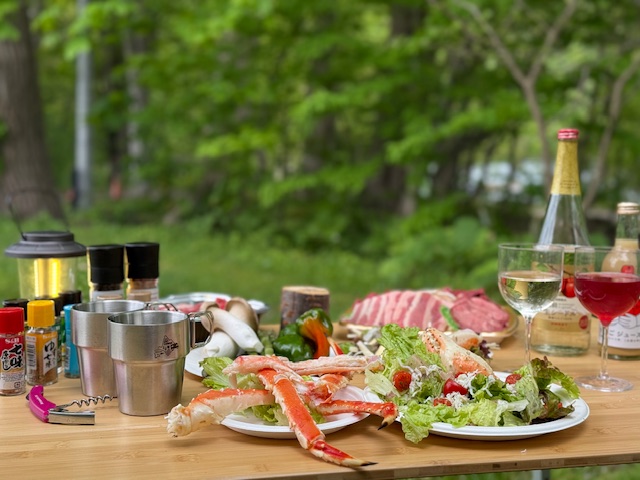
With Hokkaido’s meat, vegetables, and seafood for BBQs at campsites, plus local takeaway snacks at tourist spots, there’s simply too much delicious food – and consequently, more waste.
So this time, here’s how to dispose of rubbish whilst travelling in your campervan.
Where can we dispose of waste?
- Campsites and RV parks
- Petrol stations
- Other
1.Campsites and RV parks
「As mentioned in ‘[Tips for campervan travel] Where can campervans stay?’,」many campsites and RV parks provide facilities for disposing of rubbish.
At campsites and RV parks, some facilities include waste disposal charges within the site usage fee, while other facilities charge a separate fee for waste disposal.
Some facilities do not provide waste disposal services at all.
In the past, we have had guests who were quite upset, exclaiming, ‘Why on earth do I have to pay extra to dispose of my rubbish when I’m already paying to stay at an RV park!’ However, please understand that each campsite and RV park also incurs costs for waste disposal.
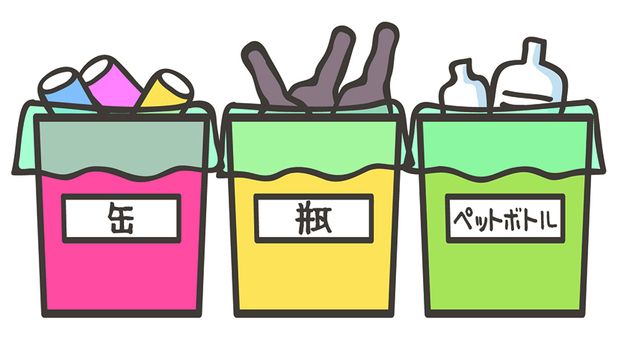
Please also follow the sorting rules for each facility.
Our campervans are equipped with garbage bags in every vehicle, so feel free to use those as well.
2.Petrol stations
At the time of rental, we always advise guests to ensure the vehicle’s fuel tank is filled to capacity at least once per day. The reason is that in some local areas of Hokkaido, petrol stations can be few and far between!? (Perhaps 50km away?), and on Saturdays, Sundays, and public holidays, some may be closed, or even if open, they may close early.
Even if a petrol station is marked on Google Maps, upon arrival, it may be closed for the day or even permanently shut down!
Additionally, the FF heater, which can be used while the engine is off, has its pump housed within the vehicle’s fuel oil tank. If the oil level becomes too low, the pump may struggle to draw sufficient oil to the heater unit, preventing ignition
In the event of sudden typhoons or storms making travel difficult, having fuel on board provides some peace of mind.
I too have experienced minor troubles on campervan journeys in the past – earthquakes, tsunami warnings, road closures due to heavy snow warnings, and even missile alerts from neighbouring countries. Having fuel in the vehicle gave me the confidence that with a campervan, I could escape safely.
Back to the topic of rubbish:
Some petrol stations will even take your rubbish for free when you fill up.
Since you visit a petrol station once a day anyway, check with the staff whether they can dispose of your rubbish.
Follow the instructions at each petrol station and ensure your rubbish is sorted correctly before disposal.
3.Others
Occasionally, I get asked, ‘Is it okay to dispose of it at a convenience store?’ My answer would be, “~Maybe~”.
Perhaps you could dispose of it in the bins inside the shop while you’re shopping there. Maybe.
Some also ask whether it’s possible to dispose of rubbish at roadside stations. I believe most places probably won’t allow it.
Therefore, the simplified answer for where you can dispose of rubbish whilst travelling in a campervan is two options: ‘1. Campsites or RV parks’ and ‘2. Petrol stations’.
For those who are unable to dispose of rubbish by the vehicle return date, we offer collection at ¥100 per bag.
Occasionally, upon return, we find large amounts of rubbish left in the vehicle, or guests wish to dispose of sleeping bags, bedding, clothing, or bulky items purchased during their trip. Please note that this incurs an additional charge.
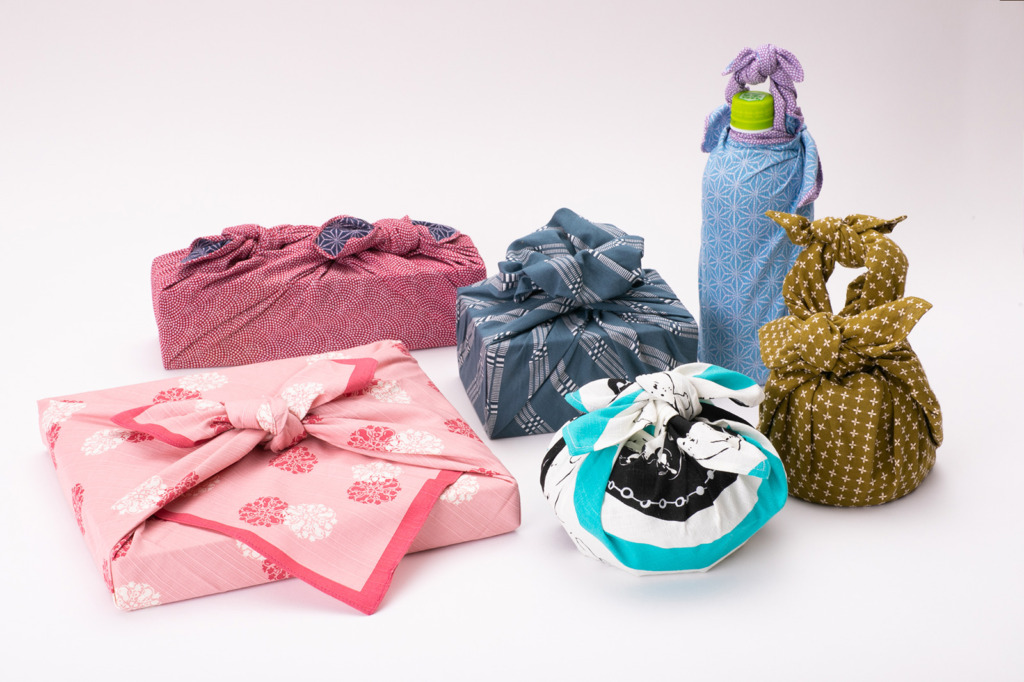
Why on earth does Japan pack food wrapped in plastic inside plastic bags? Plastic and plastic, plastic…
I wonder why?
Perhaps it’s simply a nation that loves to wrap everything.
Wrapping things in furoshiki cloth, wrapping rice balls in seaweed then bamboo leaves, wrapping Japanese sweets in washi paper – these practices serve not only aesthetic beauty but also practical purposes like preserving flavour and maintaining cleanliness.
In Japanese culture, the act of wrapping is deeply rooted not merely as a physical protective measure, but as an important means of expressing respect, consideration, and aesthetic sensibility towards others.。
These customs might be said to reflect the spirit of hospitality and harmony cherished by the Japanese since ancient times, a heart that values things, and an aesthetic sensibility that dwells in the details.
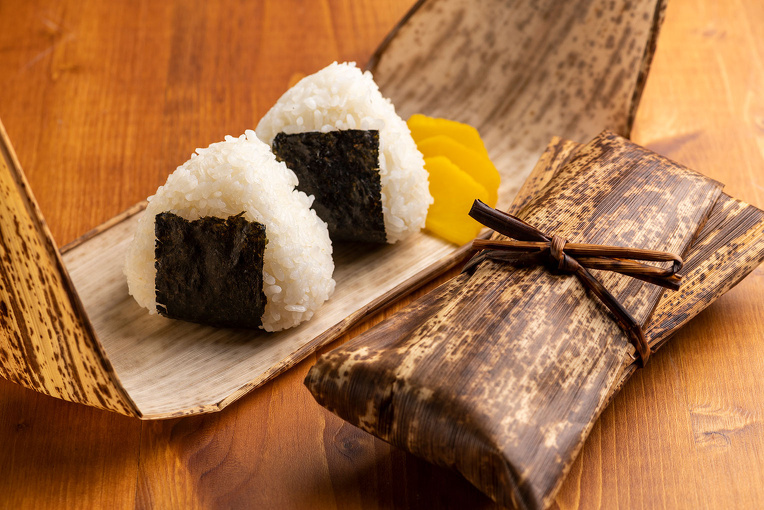
Hokkaido Campervan Rental
The campervan travel expert Taishi Kawaminami /川南 大士
- 2-[Tips for campervan travel] What are the things to keep in mind when driving a camper van?
- 4-[Tips for campervan travel] How to charge and maintain a campervan's battery?
関連記事一覧

15-[Tips for campervan travel] Go dive into Izumi Hot spring Campground
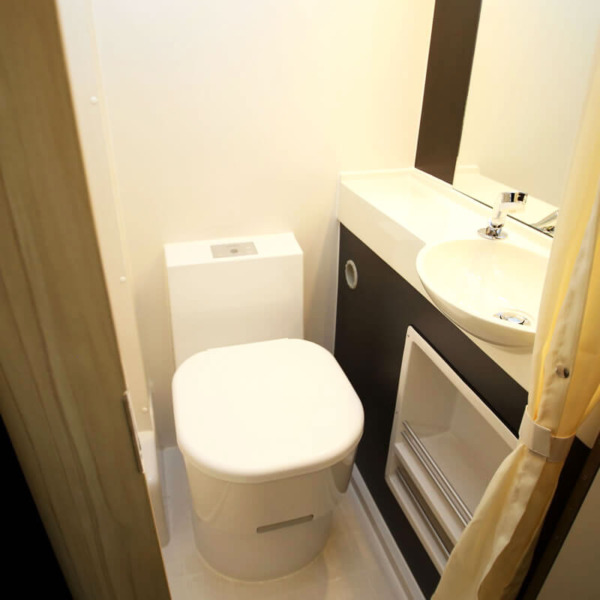
9-[Tips for campervan travel] The camper’s toilet
6-[Tips for campervan travel] Camper Van Acrylic Window
5-[Tips for campervan travel] Camper AC and FF heater
Wild Hokkaido Tourist Video (Part.1)
A Three-Hour Struggle with a White Bear (An Australian Family’s Story)
7-[Tips for campervan travel] Campervan cooking facilities
Comment