

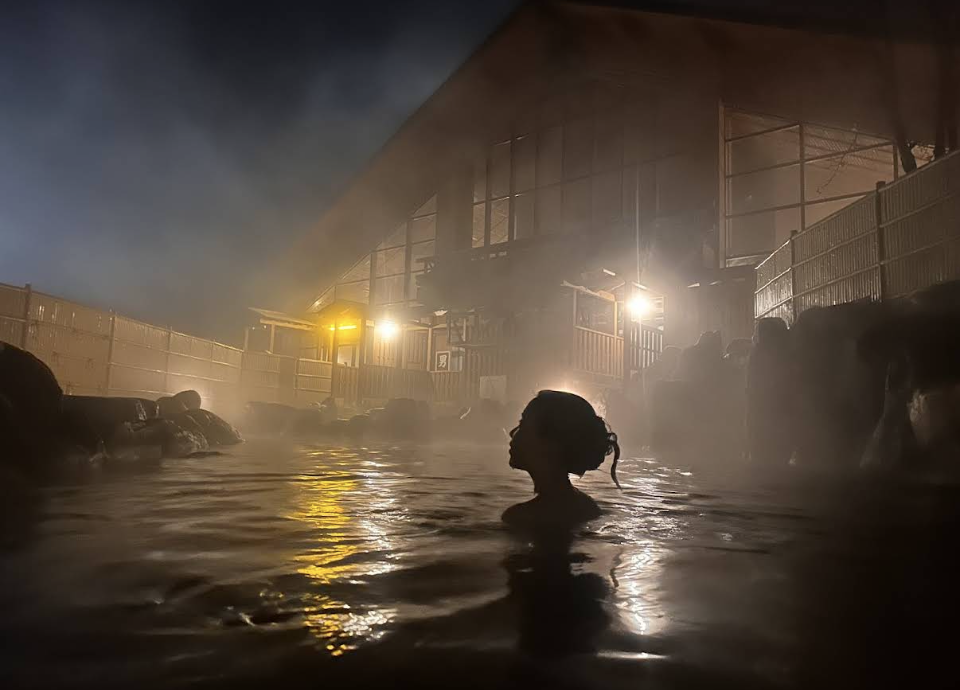
Tips for Campervan Travel from Expert Taishi Kawanami/川南 大士
Let me explain the bath facilities while traveling by camper van.
Campervan travel: Where can I find bathing facilities?
- Bathing Facilities at Campgrounds and RV Parks
- Characteristics of Japanese Hot Springs and Etiquette
- Tattoo
- Hokkaido: A Paradise for Hot Springs
- Hokkaido’s Wild Hot Springs
1.Bathing Facilities at Campgrounds and RV Parks
Here’s some information about the bathing facilities you’ll need for your RV trip.
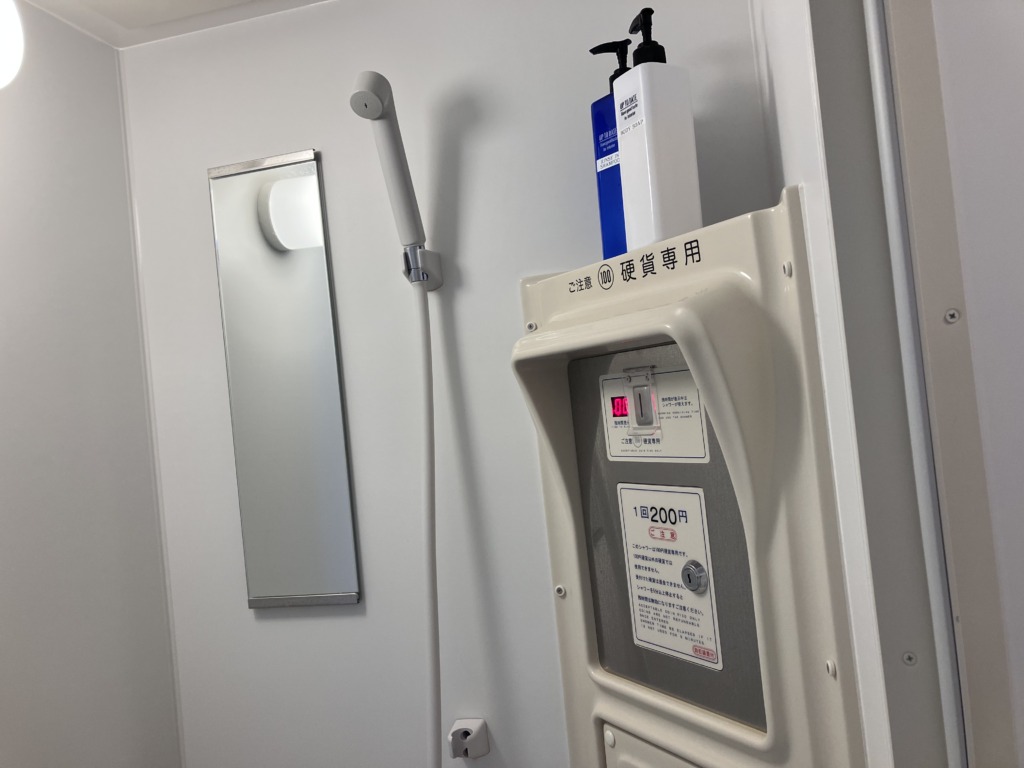
Some campgrounds and RV parks are equipped with hot spring facilities or shower rooms.
Pricing varies by facility; for example, some shower rooms use a coin-operated system that allows two minutes of use per coin, while hot spring facilities may require an additional fee.
We recommend checking in advance to see if the campground where you’ll be staying has bathing facilities.
2.Characteristics of Japanese Hot Springs and Etiquette
Japanese hot springs are characterized by the abundant water volume and diverse water qualities unique to this volcanic archipelago, as well as the tradition of bathing naked.
The number of hot spring facilities, including accommodations and public bathhouses, exceeds 20,000, and all 47 prefectures in Japan have hot springs and lodging facilities.
Open-air baths where visitors can enjoy the changing scenery of the four seasons, the charming atmosphere of hot spring towns, and the rich, unfiltered spring water are highly valued. Hot springs have long been cherished as places for healing the mind and body and promoting health.
Astonishing Hot Spring Resources and Water Quality
- One of the world’s leading hot spring nations: Due to active volcanic activity, there are over 3,000 hot spring resorts and more than 27,000 natural springs throughout the country.
- Diverse spring types: There is a wide variety of spring types, including simple hot springs, chloride springs, and bicarbonate springs, all characterized by their high mineral content.
- High-Temperature Springs: Many springs have high temperatures, and since the water is too hot to use as is, some locations use a technique called “yumomi” (stirring the water) or add water to cool it down.
Unique Bathing and Hot Spring Culture
- Traditional Bathing: Unlike recreational hot springs abroad (where swimwear is worn), in Japan people generally bathe nude to feel the minerals in the water directly on their skin.
- Hot Spring Therapy Culture: A tradition exists of staying in hot spring resorts for extended periods to treat illnesses or restore health (by utilizing natural healing powers).
- The Spirit of “Misogi”: Influenced by Shinto and Buddhism, it is believed that hot springs have the power to wash away impurities and purify both body and mind.
The charm of the space
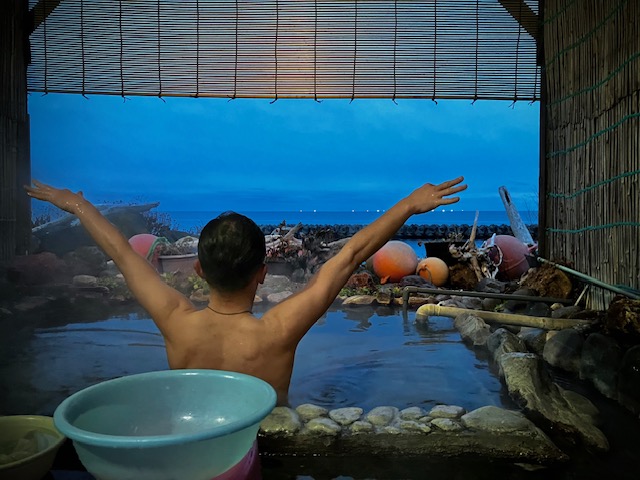
- Open-air baths in harmony with nature: Open-air baths that prioritize scenic beauty are popular, offering bathing experiences where guests can enjoy views of the four seasons and the great natural surroundings.
- The atmosphere of hot spring towns: Travelers can experience the local charm by strolling through the town in a yukata and savoring regional cuisine.
- Direct-flow hot spring water: The emphasis is on “authentic” hot springs where the water flows directly from the source with minimal sterilization, dilution, or recirculation, preserving the natural mineral content.
Bathing in Japan has unique customs that differ from those in other countries.
- The washing area: While bathtubs overseas often serve as both a place to bathe and a place to wash, Japanese hot springs typically feature a separate washing area specifically designated for washing the body before entering the bath.
- Bare-Bone Socializing :The concept of “socializing in the nude” is cherished—a practice of conversing not only without physical clothing but also by setting aside social status and other such trappings.
Detailed Guide to Basic Hot Spring Etiquette
Changing Room・Before Bathing
- Smartphones and cameras are not allowed (please refrain from bringing them in, as this constitutes voyeurism)
- Please remove all your clothes before entering the bath
Wash Area & Bathtub
- Rinse your body with water to acclimate to the temperature and wash off any sweat before entering the bath.
- Wash your body and hair thoroughly.
- Do not submerge your towel in the bathwater (place it on your head or on the edge of the tub).
- Tie up long hair.
- Keep the washing area clean (return chairs and buckets to their original places, and rinse down the area you used with the shower).
- Do not wash your body or swim in the bath tub.
- After leaving the sauna and before entering the cold plunge pool, rinse off the sweat with a shower or by pouring water over yourself.
I was surprised myself at how many rules there are, but these detailed etiquette guidelines are things that Japanese people have been taught since childhood.
Perhaps the people of Japan are a nation that takes great care to avoid causing trouble and to ensure they don’t inconvenience those around them.
Follow the etiquette guidelines above, and even as a visitor from overseas, you too can become a pro at Japanese hot springs!
3.Tattoo
In Japan, the perception that “tattoos = anti-social elements” has long been entrenched. Because tattoos can cause anxiety or fear among others, facilities take measures to ensure that families and the general public can bathe with peace of mind. To avoid trouble, many facilities have a blanket policy of “no tattoos allowed.”。
However, in recent years, with the increase in tourists from overseas, more facilities are allowing entry on the condition that tattoos are covered, offering rental bathing suits, or providing private baths.
There are also websites that list bathing facilities that allow tattoos, so it’s a good idea to check them out.
https://tattoo-ja.com/en/search/hot-spring/hokkaido
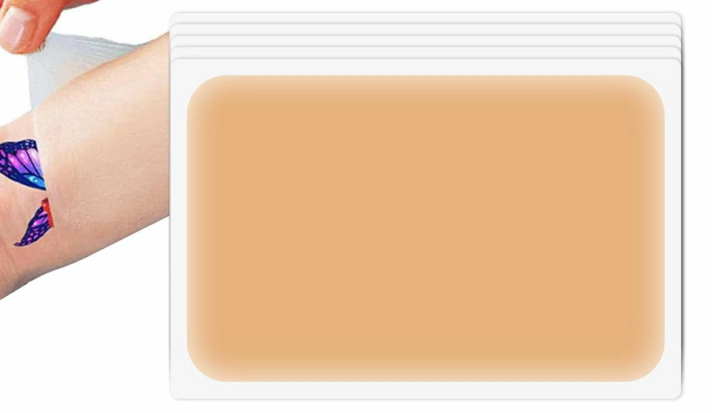
Use tape or stickers like the ones shown below to cover up your tattoo. These are available at drugstores and other retailers.
4.Hokkaido: A Paradise for Hot Springs
Hokkaido is often described as one of Japan’s premier hot spring paradises, with nearly every town and region boasting its own natural springs and hot spring facilities.
From Noboribetsu and Jozankei in the Central Hokkaido region, to Yunokawa and Oshamambe in Southern Hokkaido, Tokachi River and Lake Akan in Eastern Hokkaido, and Sounkyo and Toyotomi in Northern Hokkaido, each area offers unique spring qualities and open-air baths with breathtaking views.
Hokkaido’s Main Hot Spring Water Types and Hot Spring Resorts
- Sulfur Springs (Beauty Springs):Niseko Yumoto Onsen, Noboribetsu Onsen. These springs have a distinctive scent and are known to remove dead skin cells.
- Hyperacidic Springs (Antiseptic Springs):Kawayu Onsen (pH 1.73), Esan Onsen. These springs have a high antibacterial effect on the skin and are said to be highly effective in treating skin conditions.
- Moor Springs (Plant-Based / Beauty Springs):Tokachigawa Onsen. Mud-rich hot springs that emerge through peat layers, rich in moisturizing ingredients for beautiful skin.
- Bicarbonate springs (Beauty Springs)::Shiriuchi Onsen, Jozankei Onsen. Effectively removes dead skin cells.
- Chloride springs (Heat-Retaining Springs):Jozankei Onsen. The salt forms a protective film on the skin, making it beneficial for cold sensitivity and chronic skin conditions. Your body stays warm long after leaving the bath.
5.Hokkaido’s Wild Hot Springs
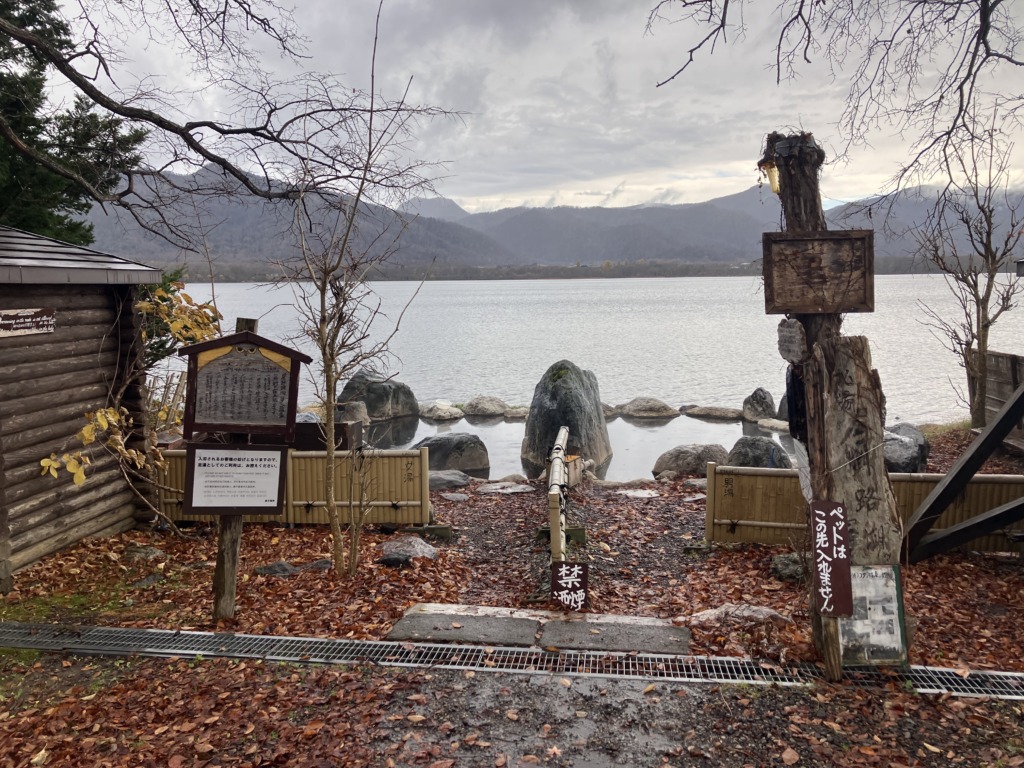
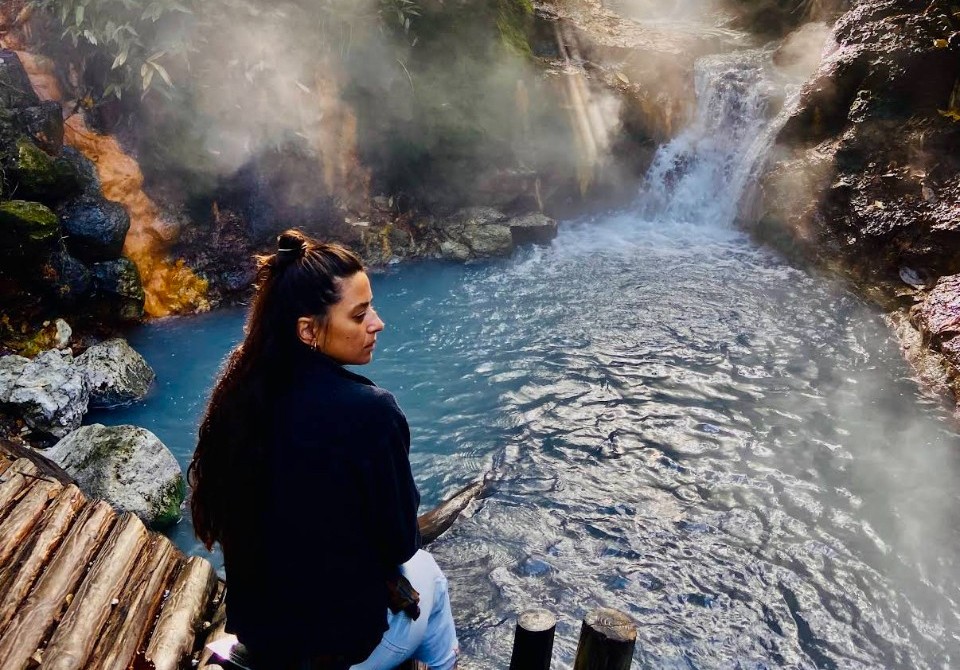
- Oyunuma River Natural Foot Bath: A short walk from the Noboribetsu Onsen district, where you can enjoy a natural foot bath while taking in the fresh forest air.
- Lake Kussharo’s “Kotan no Yu” and “Ike no Yu”: Free hot springs where you enter in swimwear, located amidst the great outdoors of Lake Kussharo.
- Kamuiwakka Hot Spring Waterfall: Hot spring water gushing from the mid-slopes of Mt. Shiretoko flows into the river, turning the waterfall itself into a hot spring. Rather than a traditional hot spring, it is a waterfall fed by hot spring water.
- Mizunashi Seaside Hot Spring: A natural open-air bath on the seashore in Hakodate that appears only for a few hours at low tide. The bathing area lies within the sea, and its dynamic fusion with the Pacific Ocean is a major draw. The hot spring water, which bubbles up from volcanic heat sources along the coast, mixes with seawater to create the perfect temperature.
- Lake Shikaribetsu Ice-Top Open-Air Bath: A phantom open-air bath that appears on the frozen lake surface, available only in winter.
- Fukiage Open-Air Bath: A secluded hot spring surrounded by nature, located halfway up Mt. Tokachi in Kamifurano Town. Swimsuits are required to use this bath.
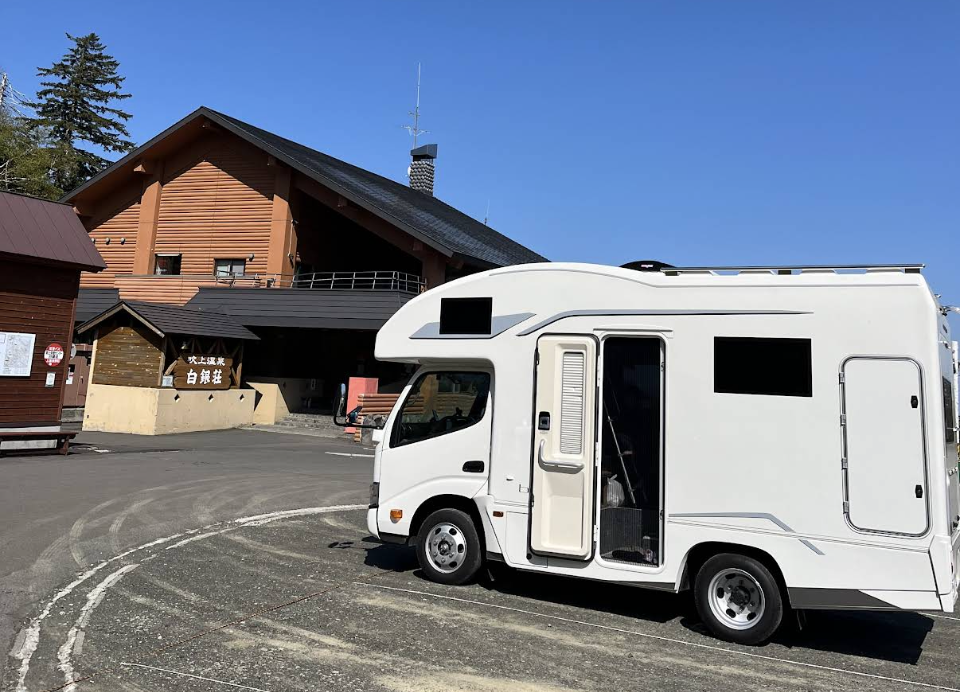
Hokkaido has roadside stations, convenience stores, and hot springs in every town, making it the perfect destination for a campervan trip.
Any exhaustion from your campervan journey will melt away in the hot springs, allowing you to relax and get a good night’s sleep.
We hope that international visitors, even those from cultures where bathing naked isn’t customary, will take the opportunity to try the hot springs while they’re in Japan.
One thing we’d like to see is more spots where you can comfortably stay in a campervan all year round.
Hokkaido Campervan Rental
the expert on campervan travel Taishi Kawaminami /川南 大士
- 9-[Tips for campervan travel] The camper's toilet
- 11-[Tips for campervan travel] Go dive into Japanese Ramen!
関連記事一覧
Wild Hokkaido Tourist Video (Part.1)
12-[Tips for campervan travel] Go dive into Hokkaido Soft-Serve Ice Cream!
Newly introduced camper vehicle information
4-[Tips for campervan travel] How to charge and maintain a campervan’s ...
2-[Tips for campervan travel] What are the things to keep in mind when drivin...
8-[Tips for campervan travel] What fuel does a camper van use?
A Three-Hour Struggle with a White Bear (An Australian Family’s Story)
Comment