

Tips for Camping Car Travel from Expert Taishi Kawanami/川南 大士
Here is some information about fuel for camping vehicles.
What fuel does a camper van use?
- What types of fuel are available?
- Gas Stations
- Important fuel safety tips
- Restroom breaks and trash disposal at gas stations
1.What types of fuel are available?
Campers are primarily powered by diesel (light oil) or gasoline (regular or premium). For large vehicles requiring power or long-distance travel, fuel-efficient light oil is used, while campers converted from standard cars typically run on gasoline.
Diesel-powered campers have fuel tanks ranging from 60 to 80 liters, with a fuel efficiency of approximately 8 to 10 km per liter.
Gasoline-powered vehicles have fuel tanks of 40 liters for kei cars and 60–65 liters for standard cars.
Fuel efficiency for gasoline vehicles varies by model, so we will explain this to you at the time of rental.
2.Gas Stations
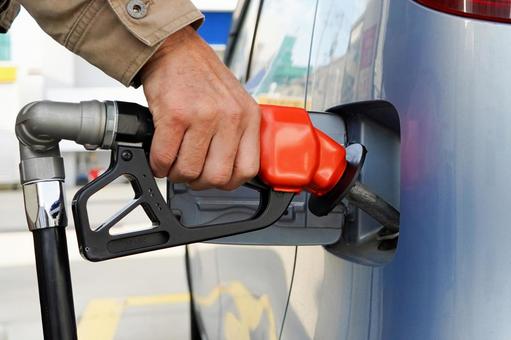
Gas stations in Japan generally operate in two formats: self-service (unmanned) and full-service (staff-assisted).
There are two payment methods: a post-payment system, where you select the fuel type, fill up, and then pay, and a pre-payment system, where you insert money first and then fill up.
- By Operation Type
Self-service (unmanned) stations: You fill up your own vehicle. Since labor costs are reduced, prices are often about 1 to 2 yen per liter cheaper than at full-service stations. - Full-service (manned) stations: Staff perform tasks such as refueling, cleaning windows, and disposing of trash. While this provides peace of mind for those who aren’t used to self-service, prices are slightly higher than at self-service stations. For diesel vehicles, for example, if you hand your car key to the station staff, they will handle all the work for you.

3.Important fuel safety tips
Differences by Fuel Type
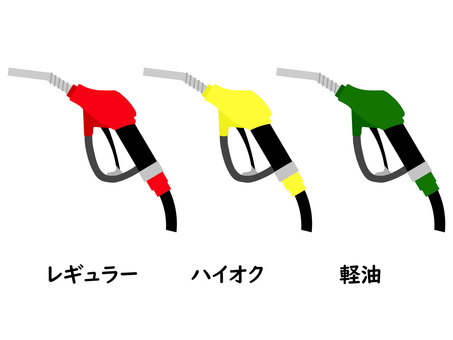
Most gas stations sell three types of fuel.
Regular (Red Nozzle): For passenger cars and RVs.
Premium (Yellow Nozzle; occasionally Blue Nozzle): For high-performance and imported vehicles. Has a higher octane rating.
Diesel (Green Nozzle): For trucks and diesel vehicles. Cheaper than regular gasoline.
Please check the fuel type carefully before refueling to ensure you select the correct one.
At gas stations in rural areas, some may be closed on weekends and holidays, or close early.
Additionally, if the weather suddenly worsens and travel becomes difficult, or if a gas station you planned to stop at along your route is closed, running out of fuel can be a cause for concern. We ask that you refuel at least once a day at gas stations in major cities.
Especially during the winter, front-end heaters also use fuel from the vehicle’s tank to generate heat and warm the interior.
If fuel levels are low, the FF heater may not function properly.
Also, to prevent fires, the use of open flames is prohibited inside gas stations, so be sure to turn off the FF heater.
4.Restroom breaks and trash disposal at gas stations
You can use the restrooms at gas stations.
There are also vending machines and other amenities, so you can take a short break.
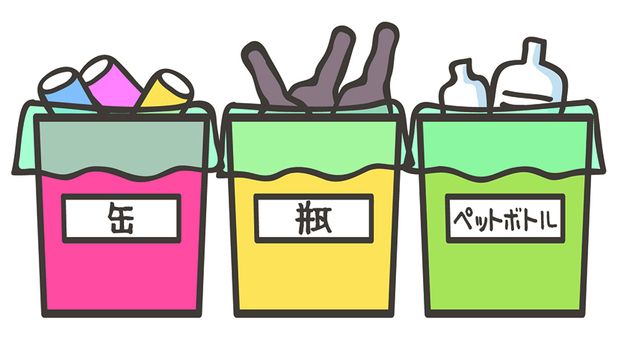
Some gas stations accept trash, so please follow the instructions at each station to sort your trash properly before disposal.
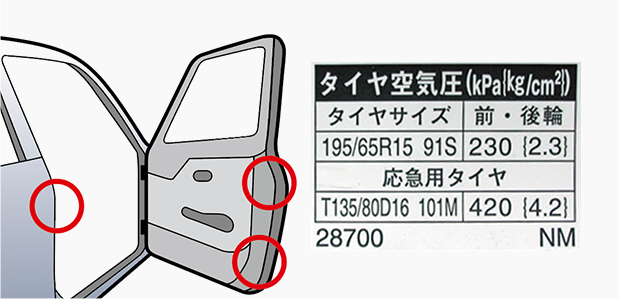
Some staffed gas stations will check your tire pressure and ensure your wheel nuts are tight.
Tank full, tires and other checks complete! Check your next route, and let’s hit the road!
These daily safety checks contribute to a safe journey.
Hokkaido Campervan Rental
Campervan Travel Expert Taishi Kawaminami/川南 大士
- 7-[Tips for campervan travel] Campervan cooking facilities
- 9-[Tips for campervan travel] The camper's toilet
関連記事一覧
3-[Tips for campervan travel] The troublesome issue of rubbish on a campervan...

“with DO CAMPER” original T-shirt
Wild Hokkaido Tourist Video (Part.2)
6-[Tips for campervan travel] Camper Van Acrylic Window
4-[Tips for campervan travel] How to charge and maintain a campervan’s ...
5-[Tips for campervan travel] Camper AC and FF heater
Newly introduced camper vehicle information

Comment