

Camping car expert Taishi Kawaminami/ 川南大士
Let me walk you through the temperature control systems for your camper van: the RV air conditioner for summer use and the FF heater for winter use.
Devices for adjusting the interior temperature of a camper van
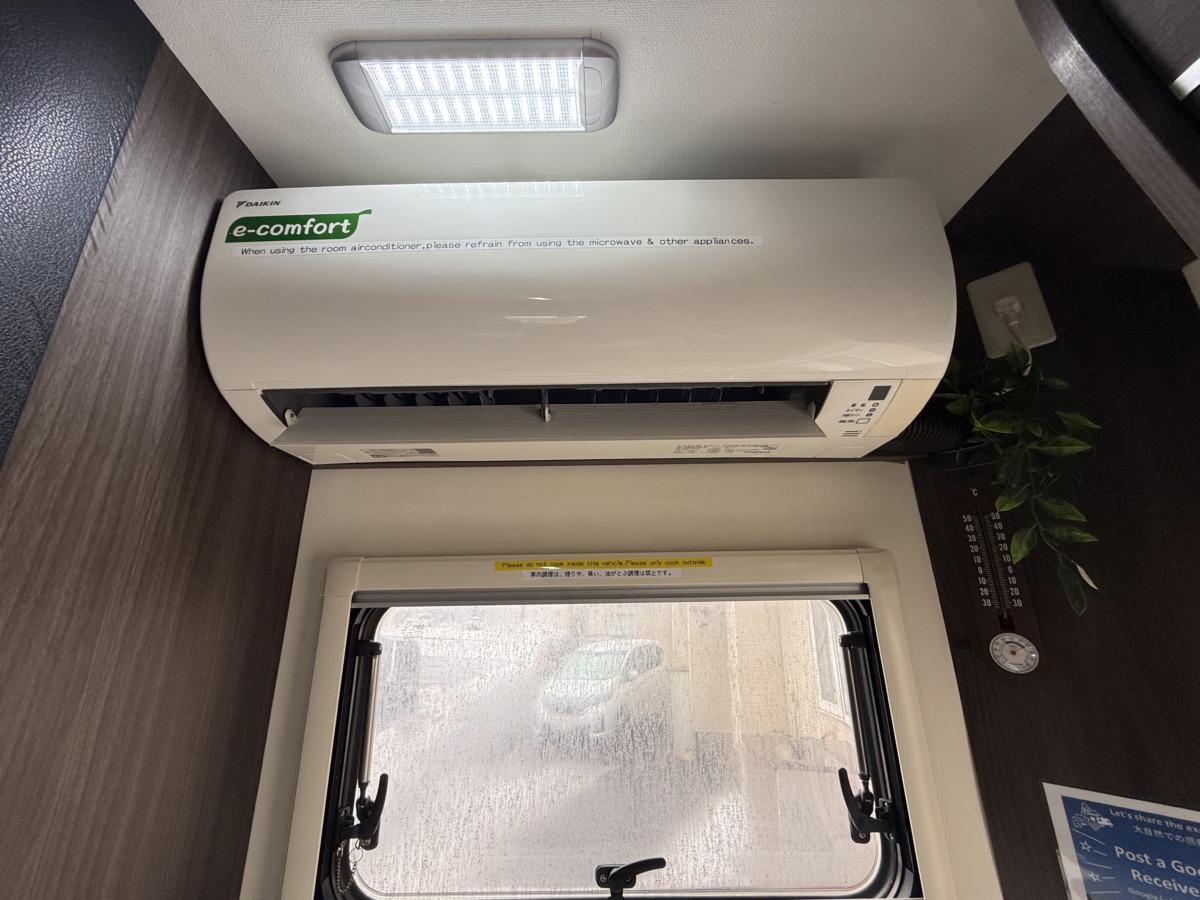
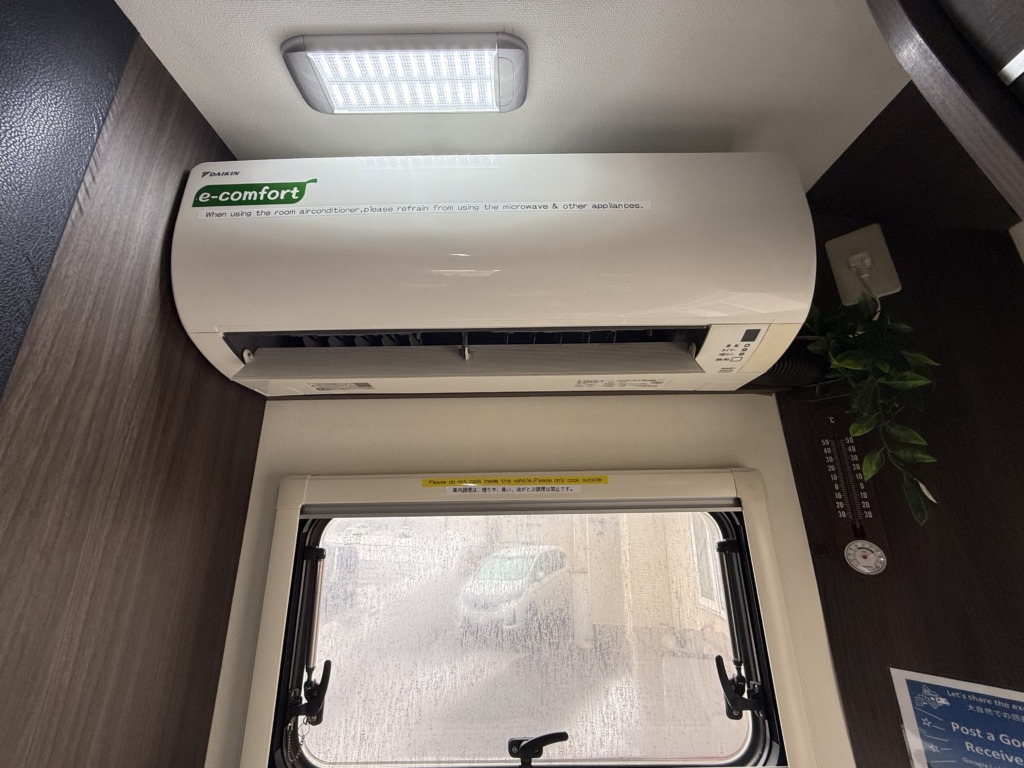
- Room AC (Camper AC)
- FF Heater
- Ventilator
1.Camper AC (room air conditioners)
Hokkaido’s summer—July and August—is cooler than most parts of Japan, right?” I get that question a lot.
Decades ago, when I was a child, that might have been true.
But in Hokkaido’s summers these days, temperatures can get quite high at times.
In July 2025, there were times when Hokkaido was the hottest region in Japan.
While the camper van’s engine is running, it stays cool inside using the car’s air conditioner.
However, on nights when you turn off the engine to sleep, the daytime heat lingers, sometimes leaving the temperature at 35°C even at night.
Additionally, Japan’s uniquely high humidity can also disrupt comfortable sleep.
That’s where camper AC (room air conditioners) come into play.。
It’s been about five years since room air conditioners began being installed in camper vans.
Before that, most camper vans only had car air conditioning units and lacked room air conditioners. In summer, the only solution was to open the windows and run the vents to circulate air.
With a room air conditioner, it’s a great solution that not only regulates temperature but also tackles high humidity.
To use the room air conditioner, it must be connected to an external power source available at auto campgrounds or RV parks.
Without connecting to an external power source, using the air conditioner will drain the sub-battery completely in about 3 hours
Furthermore, keeping the room air conditioner running while driving prevents charging from the engine. As a result, the sub-battery may be depleted by nightfall.
While driving, it’s best to turn the room air conditioner OFF and use the car’s air conditioner to cool the interior.

2.FF Heater
Even within Japan, known for having the world’s heaviest snowfall, Hokkaido’s winter brings powder snow—a type of snow that falls when temperatures are low, containing extremely little moisture and falling as fine, fluffy flakes. Because the snow crystals fall and accumulate in their original shape, it has a characteristic light, fluffy feel. This snow quality is highly popular for skiing and snowboarding, offering a unique gliding experience.
In winter, Hokkaido’s outdoor temperatures can drop to -10°C to -20°C or lower.
That’s where a camping car’s FF heater comes into play.
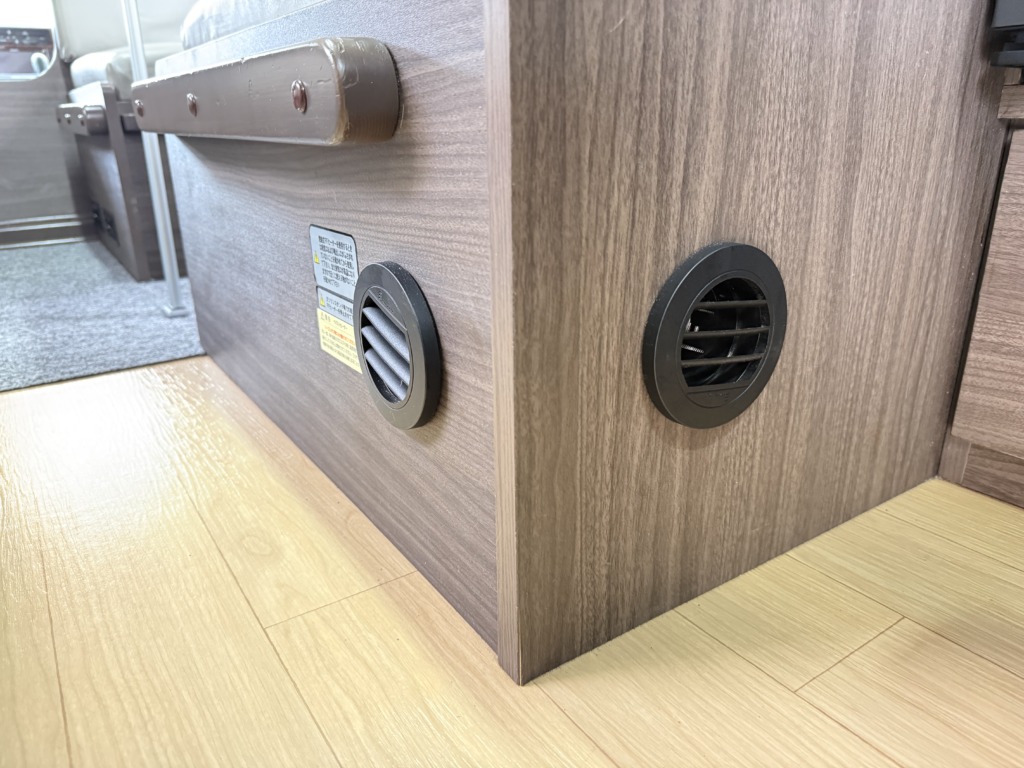
FF heaters for campers are safety-certified heating systems that burn fuel (diesel or gasoline) and circulate only warm air inside the vehicle. They operate on the sub-battery even with the engine off, ensuring comfortable overnight stays in the vehicle even during freezing winters. Their low fuel cost and ability to minimize drying make them essential in many campers.
FF heater control switches are primarily divided into two types: “dial-type (rotary switch)” and “digital timer-type (LCD display)”. The former offers simple, intuitive operation, while the latter provides advanced timer functions and temperature management.
The FF heater uses fuel drawn from the vehicle’s main fuel tank (gasoline or diesel) via a dedicated pump. It operates at a low fuel consumption rate of approximately 3 liters per night, allowing heating even when the engine is off.
Important Notes for FF Heaters:
1-Snow Blockage and Exhaust Port Obstruction (Critical)
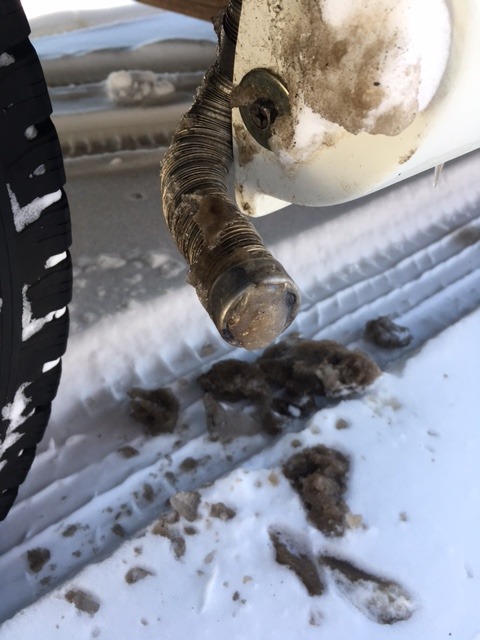
If the exterior exhaust port becomes blocked by snow or mud, exhaust gases may reverse flow, posing a risk of carbon monoxide poisoning. Check this before bedtime and upon wake-up.
When parked, ensure snow does not accumulate downwind of the exhaust po
2-Sub-Battery and Voltage
The FF heater consumes a large amount of electricity during startup. It will not work if the battery charge is low (e.g., below 12.5V), so voltage management is necessary. It is recommended to run the engine for about an hour before turning the heater ON.
3-Fuel Level
Many vehicles have a safety device that activates if the fuel tank drops below 1/3 full, causing the heater to stop. Please refuel once a day.
4-Fire Risk
Please do not place flammable items or materials that melt from heat near the warm air vents.
5-Avoid Use While Driving
To prevent malfunctions and for safety, please avoid using the FF heater while driving. It is especially dangerous if hot exhaust is coming from the heater’s exhaust vent while refueling at a gas station. Always turn it OFF.
3.Ventilator
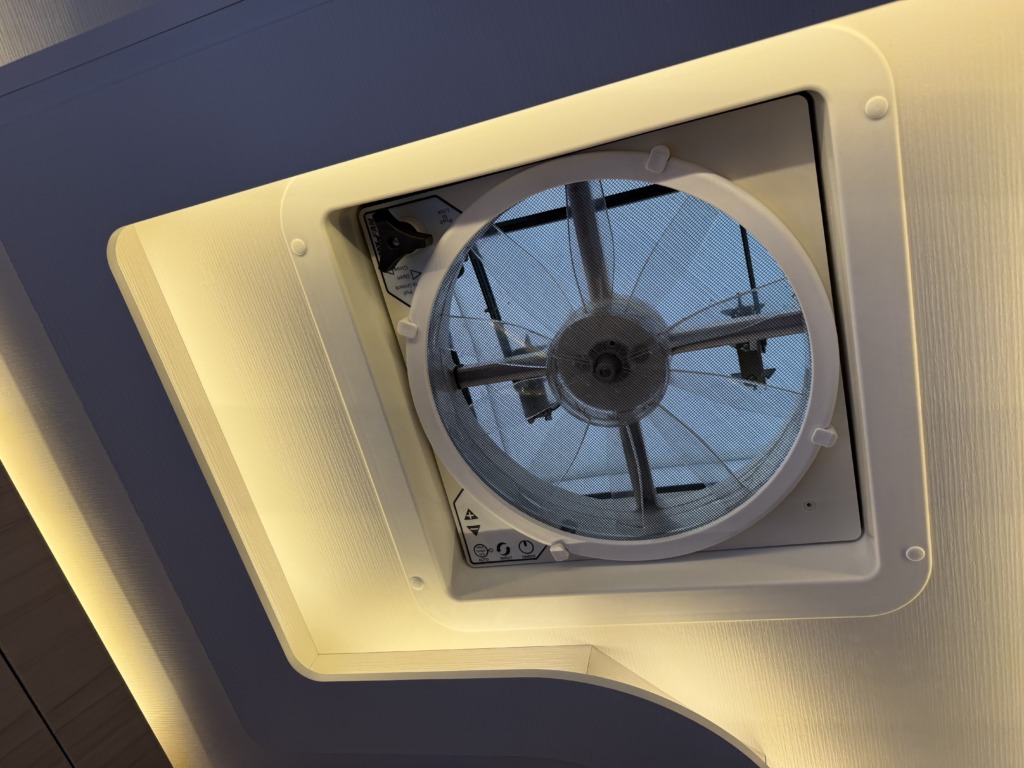
The camper van ventilator (roof fan) is a ventilation device installed in the ceiling to forcibly exhaust hot air and moisture from the interior. Particularly in summer, opening a window for intake and using the fan for exhaust efficiently circulates air, preventing condensation and maintaining a comfortable temperature environment.
By opening one window and turning on the ventilator, you can refresh the interior air all at once.
Important notes for using the ventilator:
1-Do not use it by leaving the cover open while driving, as this can cause damage.
2-Leaving the ventilator open during rain may cause water to leak into the cabin.
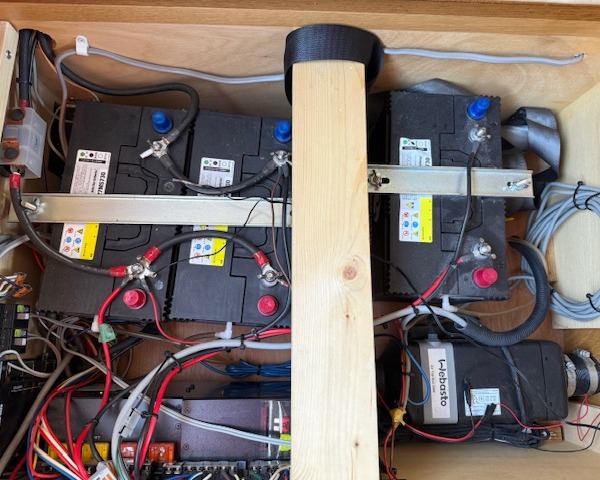
3-The ventilator uses power from the sub-battery. Please regularly check the battery charge level.
Using the sub-battery also involves operating electrical systems like the room air conditioner and FF heater.
By ensuring the sub-battery is fully charged and practicing energy conservation, you can enjoy trouble-free and comfortable trips with your Camper Trip.
Hokkaido Campervan Rental
Camper Van expert Taishi Kawaminami /川南 大士

- 4-[Tips for campervan travel] How to charge and maintain a campervan's battery?
- 6-[Tips for campervan travel] Camper Van Acrylic Window
関連記事一覧

3-[Tips for campervan travel] The troublesome issue of rubbish on a campervan...

Wild Hokkaido Tourist Video (Part.2)

1-[Tips for campervan travel] Where can campervans stay overnight?
Newly introduced camper vehicle information
2-[Tips for campervan travel] What are the things to keep in mind when drivin...

“with DO CAMPER” original T-shirt

Wild Hokkaido Tourist Video (Part.1)
Comment