

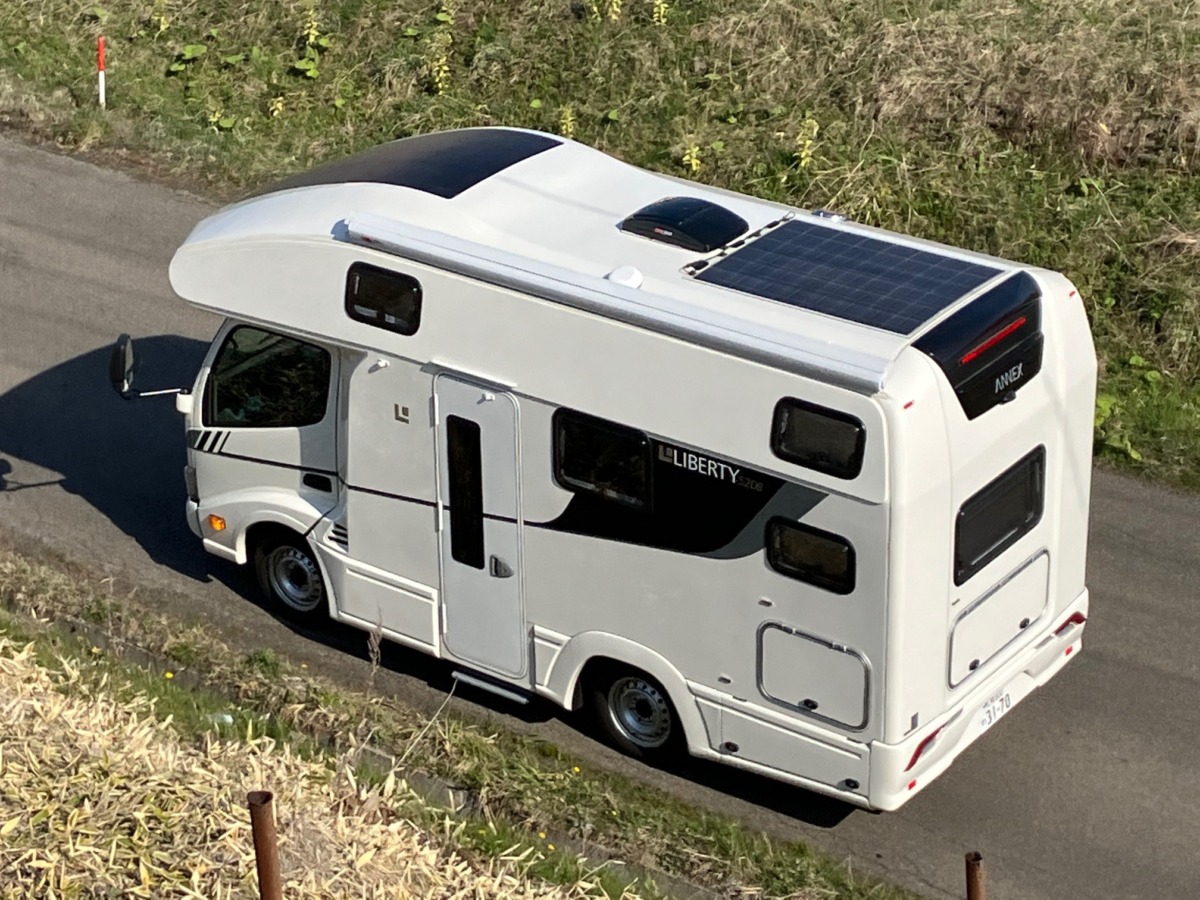
Camping Car Travel Expert Taishi Kawanami/川南 大士 Shares Tips for Camping Car Travel
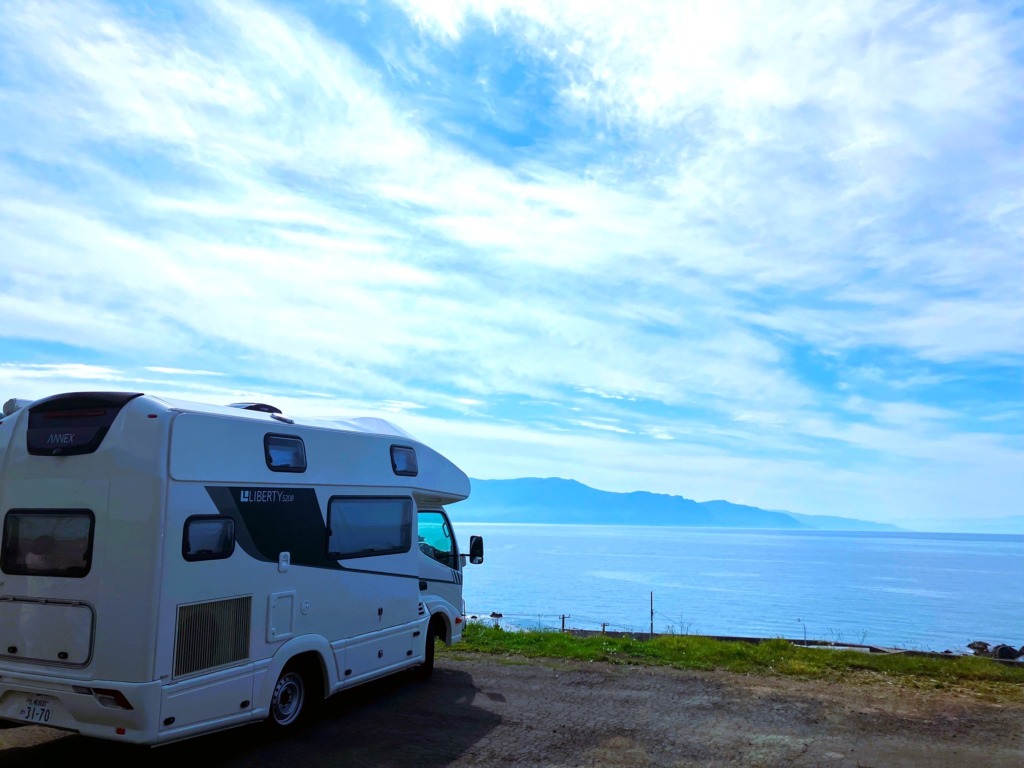
Driving a large camper requires caution.
- Vehicle Height
- Vehicle Length
- Speed
- Curves and Blind Spots
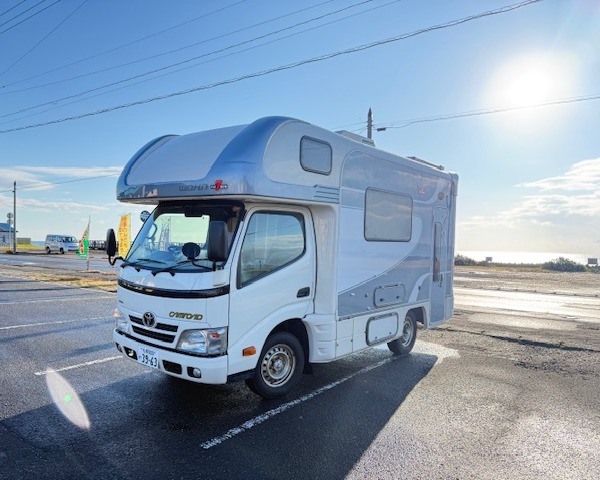
A camper van is a type of recreational vehicle that retains the cab over (driver’s compartment) from a truck or similar vehicle and has a living space (shell) built onto the cargo bed behind it. Its interior is spacious, allowing occupants to move around while standing upright. It comes fully equipped with a kitchen, bed, and storage, offering the comfort of a “home on wheels.” While popular with families and long-term travelers, it has drawbacks such as a high vehicle height, poor fuel efficiency, and limited maneuverability.
Main Features of Cab-over Campers
- High livability: With generous headroom, you can move around while standing inside, making it ideal for carrying large groups or long journeys.
- Feature-rich amenities: Comes equipped with a kitchen, toilet, bed, air conditioning, and more, offering a complete and comfortable living space.
- Spacious storage: Features ample storage space capable of holding large camping gear.
- Base vehicles: Primarily utilizes small trucks or vehicles like the Toyota HiAce.
Driving a large camper requires special attention, which differs from driving a regular car.
Listed below are the points to keep in mind.
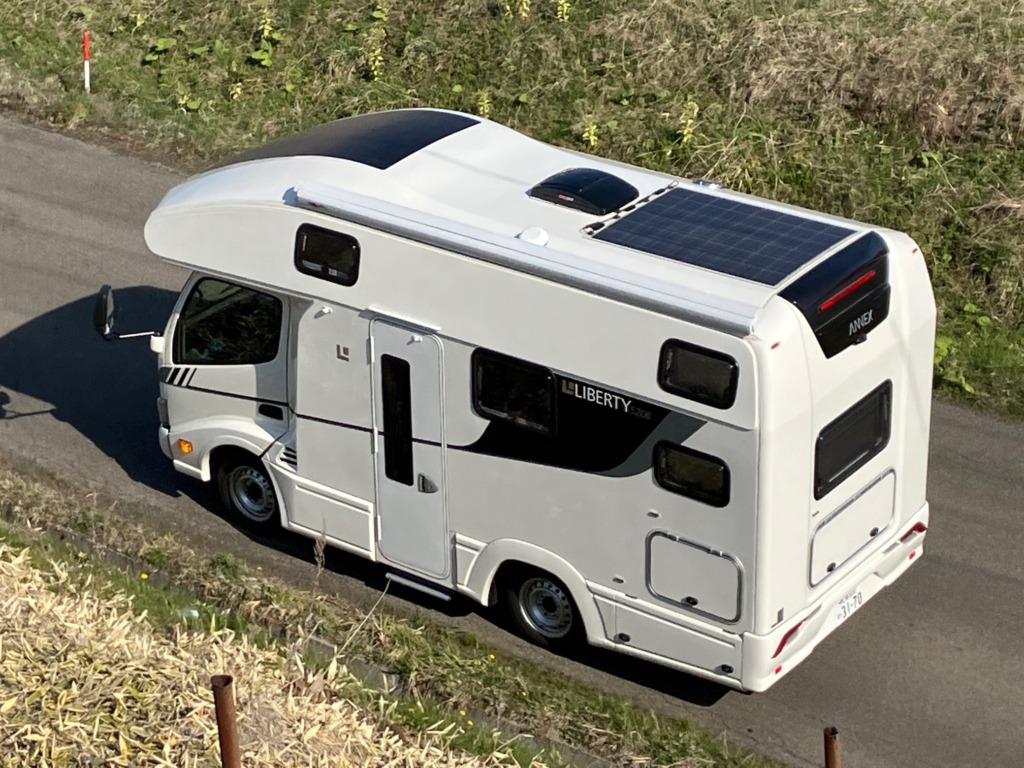
1.Caution: Vehicle Height
Cab-over type vehicles are approximately 3 meters tall. Some models with overhead installations like vent covers or room air conditioner outdoor units can exceed 3 meters in height.
Most camper vans cannot enter roofed parking lots or parking facilities located inside buildings.
Please park in outdoor parking lots with no roof.
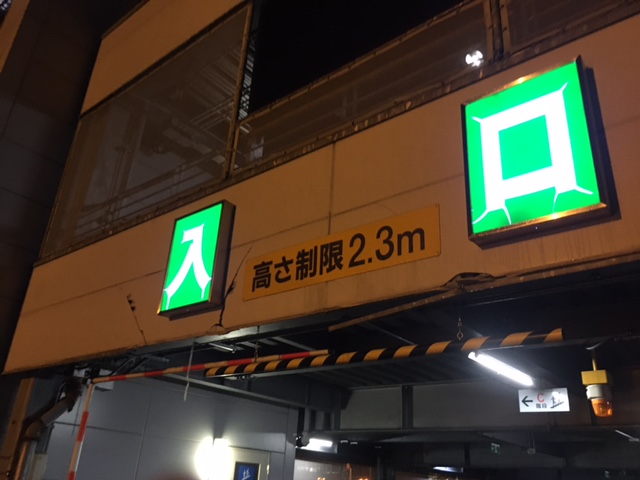
Some roadside stations feature car parks with roofed areas near the toilets.
These roofs are sometimes fitted to ensure wheelchair users and those with walking difficulties can get in and out safely. However, if you accidentally park your campervan in such a spot, there is a risk the roof may come into contact with the vehicle’s top. Please ensure you do not enter these areas under any circumstances.
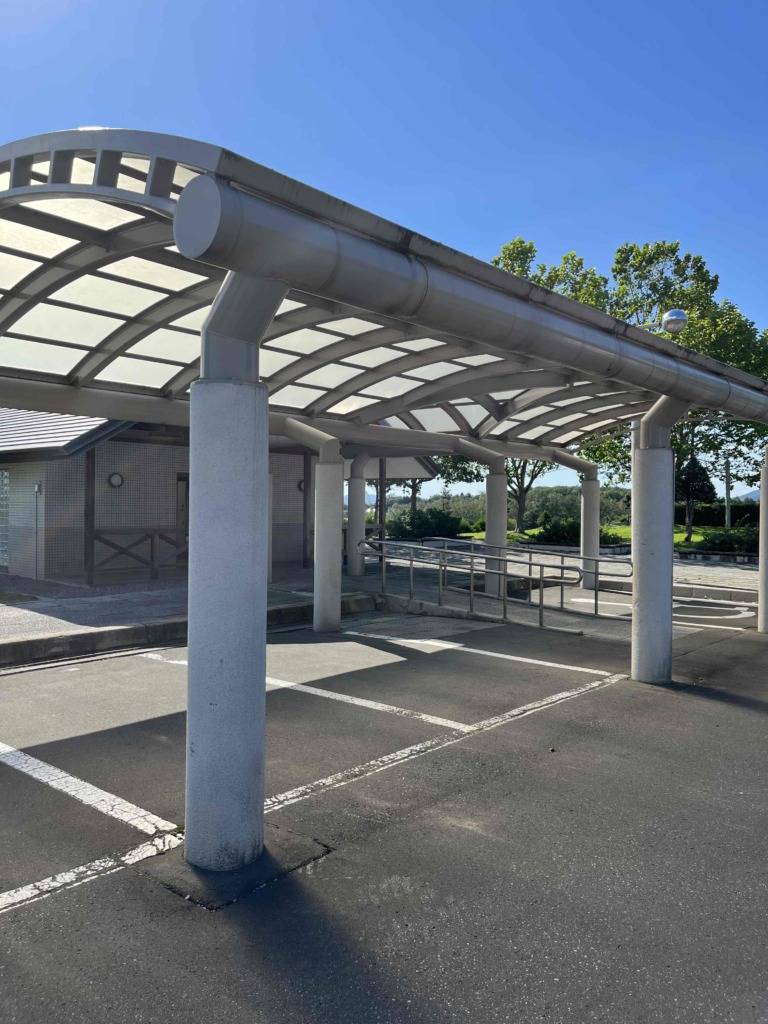
Furthermore, you cannot enter drive-throughs at fast food restaurants.
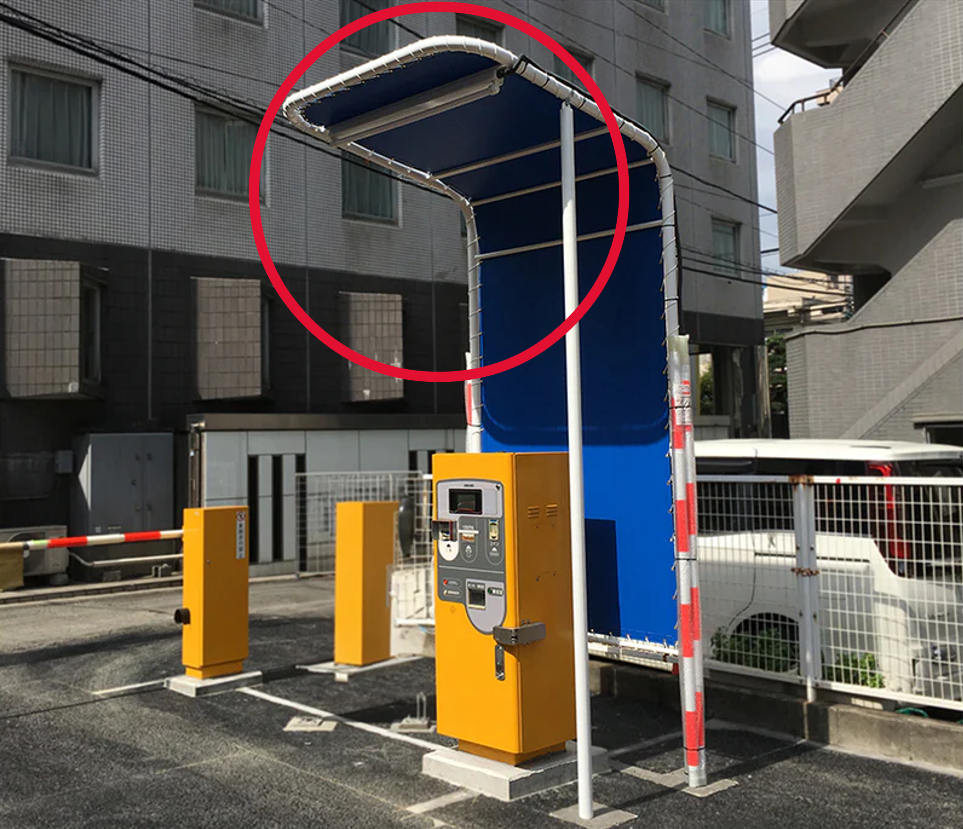
At coin-operated car parks, if the pay station at the exit has a rain-shelter canopy, getting too close may cause contact with the vehicle’s roof. Maintain a distance between the pay station and your vehicle, and step out of the car to make your payment.
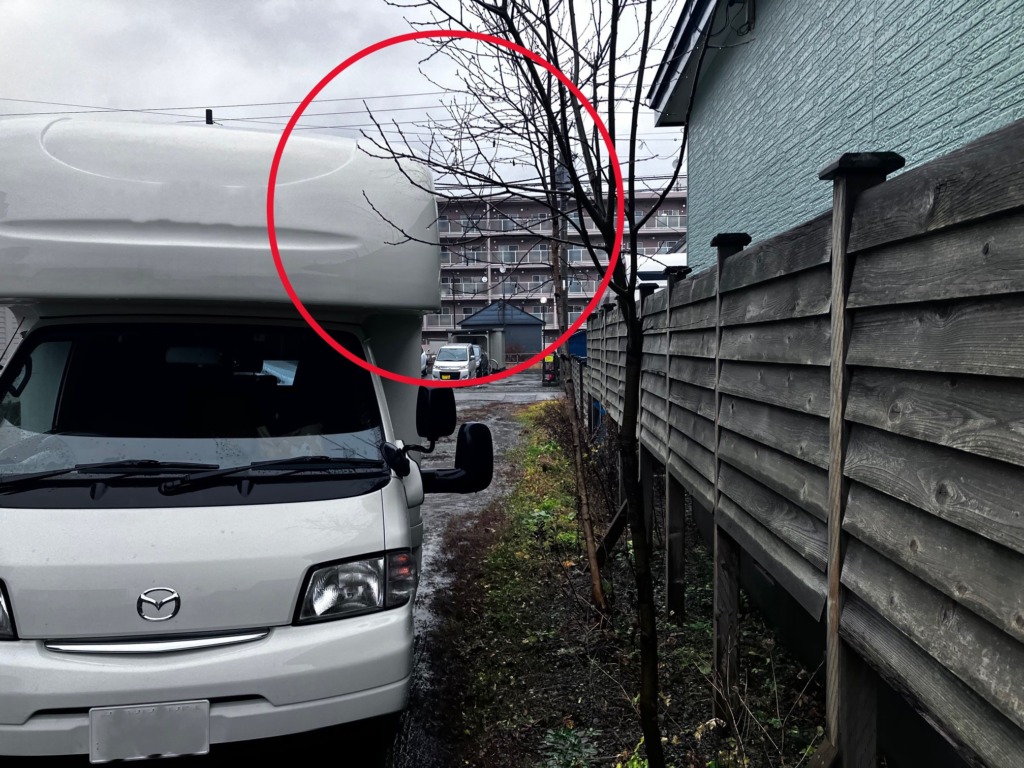
Within the campsite grounds, there are areas where trees grow densely.
Branches from these trees may brush against the sides of a campervan, which could cause scratches to the vehicle.
Please be mindful of this.
2.Caution: regarding vehicle length
Cabover-type camping car vehicle lengths are approximately 5 metres, with some models reaching 5.3 metres in length.
Most general car parks in Japan are constructed with spaces roughly 5 metres in length, which is typically the minimum width required for a camping car to fit.
Accidents occur where drivers, trying to back up a little further, end up reversing too far and collide with other vehicles parked behind them.
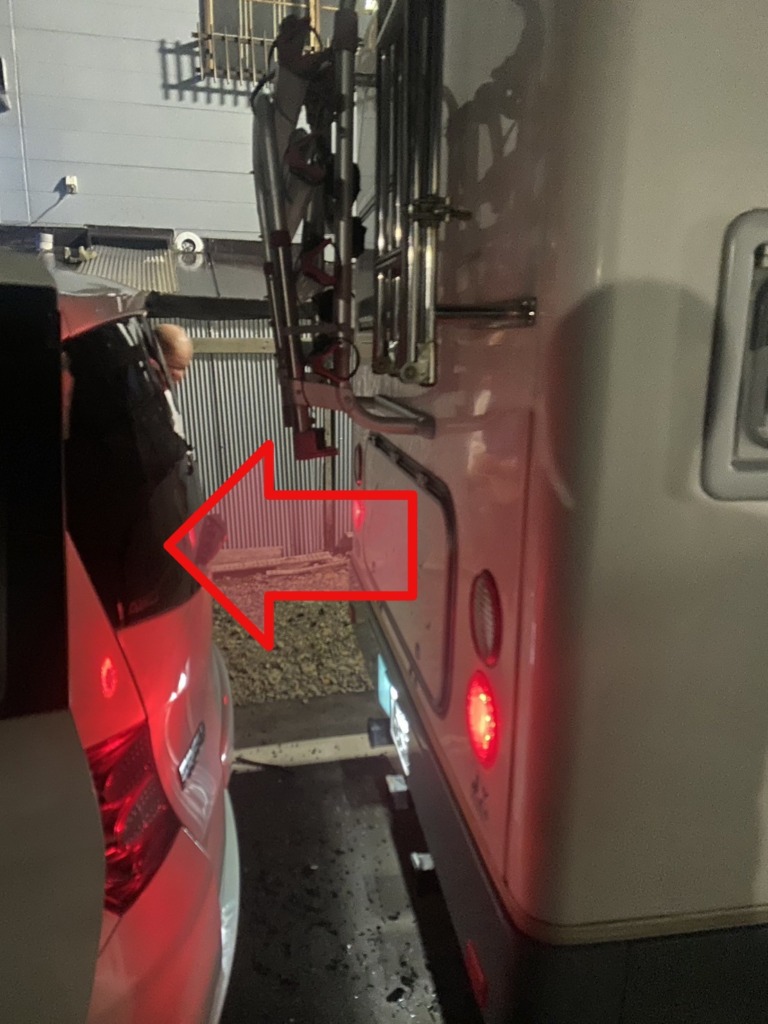
We have also had occasions where, relying solely on the rear-view mirror or reversing monitor, they backed up and made a crash into the rear wall or other obstacle.
Please ensure that when reversing into a parking space, a passenger—a family member or friend—stands at the vehicle’s rear to assist with rear-view safety checks.
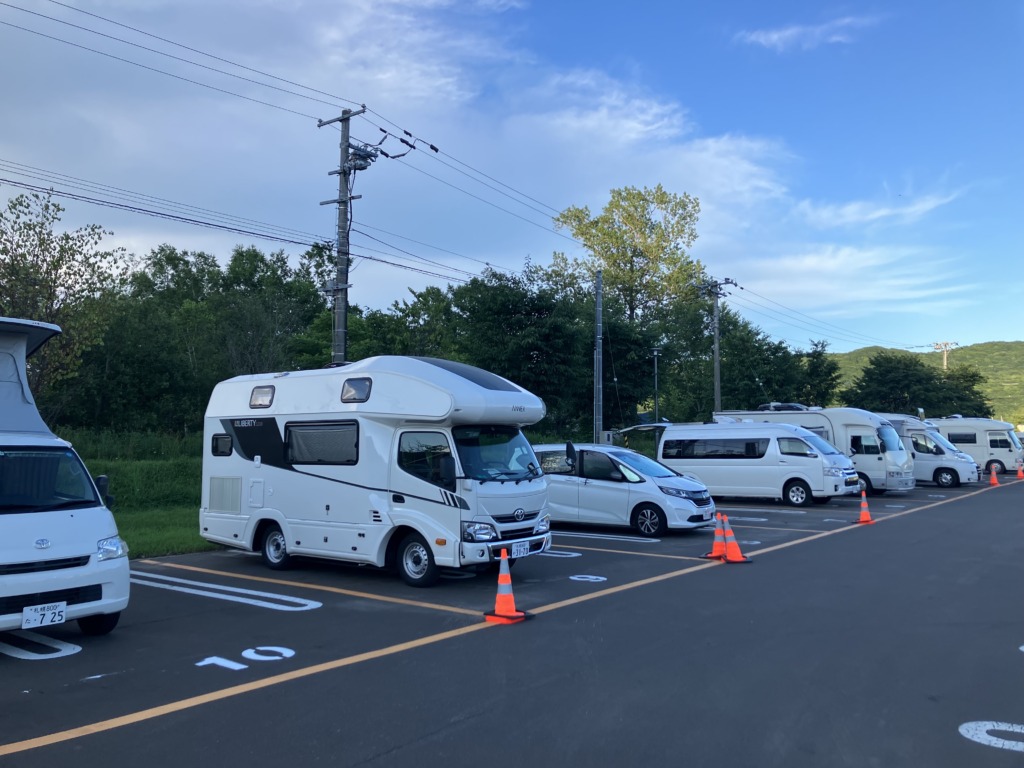
※The image shown above is of parking at an RV park with wide, standardised parking spaces.
3.Speed
We have described the height and length of large camping cars, but when driving them, it is also necessary to take precautions that differ from driving a standard car.
Large camping cars are also very vulnerable to crosswinds.
Particularly in coastal areas or while crossing bridges, the steering wheel can sometimes be pulled away by strong crosswinds.
On highways constructed on elevated terrain, it is crucial to drive at speeds below 80km/h.
ccidents have occurred where a campervan overturned after being driven at 100 km/h, as if it were a standard car.
In Hokkaido, wildlife such as deer and foxes can cross roads, leading to collisions.
Wild animals are particularly active from dusk into the night.
4.Curves and blind spots
Camping vehicles require slower speeds and wider, more gradual turns when navigating curves.
The centrifugal force acting on a vehicle during cornering intensifies under conditions of high speed, sharp curves (small radius), and heavy weight (particularly with a high centre of gravity or unevenly weighted items) – this outward force increases the risk of rollover or lane departure. For safety, it is crucial to decelerate sufficiently before entering a curve, maintain a steady speed through the curve with smooth steering, and avoid sudden braking or abrupt steering maneuvers.
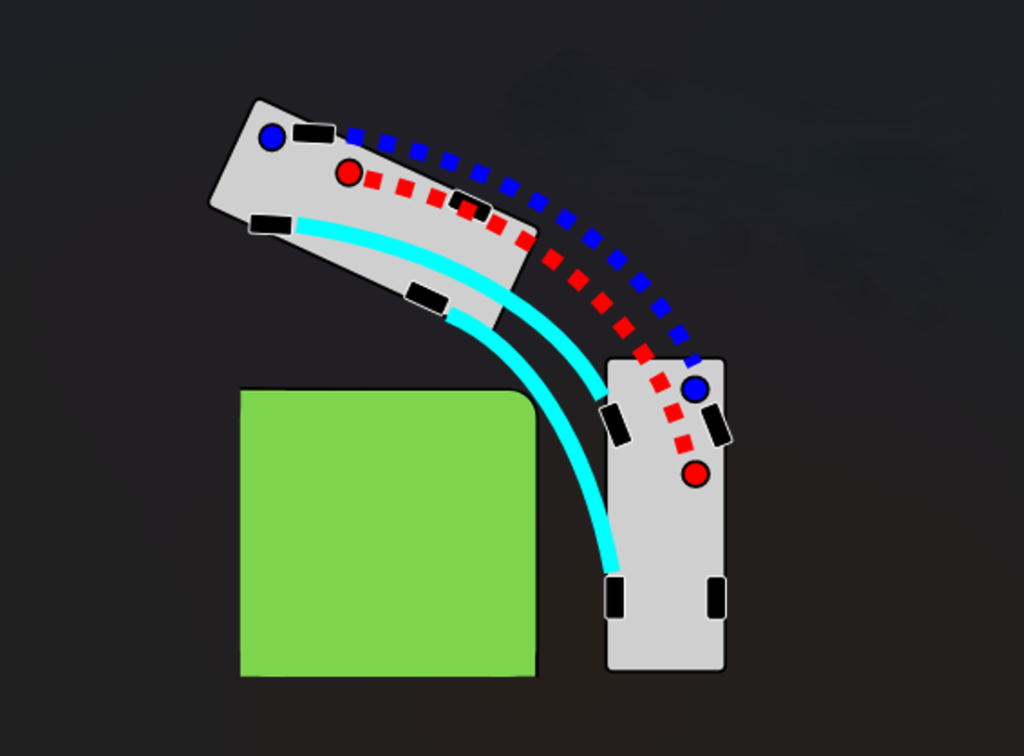
Also, caution is required at intersections like crossroads, especially when turning left or right. This is called the inner wheel difference. It refers to the gap (difference) that occurs between the path taken by the front wheels and the path taken by the rear wheels (especially the inner wheel side) when a vehicle turns a corner. Because the rear wheels travel further inward than the front wheels after they have passed, it can cause accidents where bicycles or pedestrians are caught in the turn (sweeping accidents) or lead to the vehicle riding up onto the curb. This effect is particularly pronounced with large vehicles or those with a long wheelbase, making it crucial to be highly aware of it while driving.
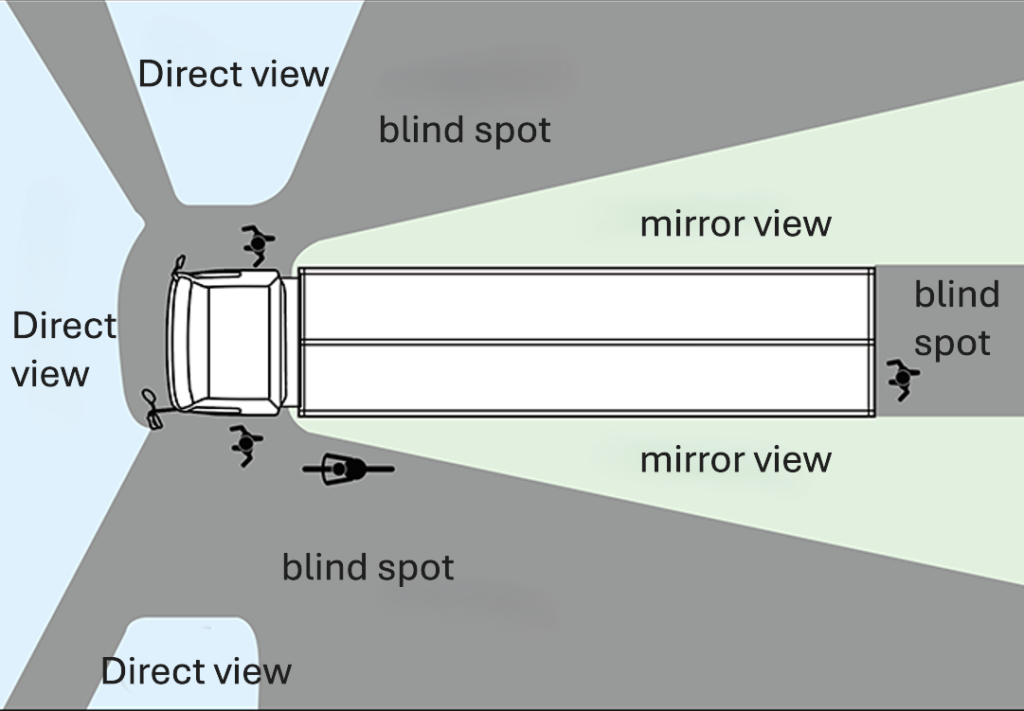
Truck-based campers have more blind spots than regular cars.
The left side is particularly difficult to see.
Always double-check by visually confirming, using your side mirrors, and having a passenger in the co-driver’s seat assist in checking for pedestrians or other traffic on the left side.
At the time of rental, we also cover tips and precautions for driving the campervan, such as those mentioned above.
An enjoyable campervan trip can quickly be ruined if an accident occurs, turning it into a thoroughly unpleasant journey.
It is our sincere wish to assist you in any way we can to prevent this from happening.
Planning a journey,
if Google Maps estimates the destination is two hours away, it’s wise to allow for one and a half times that – three hours.
If travelling with small children, consider taking breaks roughly once an hour.
Avoid long-distance or night-time driving. Do not rush; drive cautiously, allowing ample time.
Campervan owners and professional lorry drivers may think they’re immune to trouble, but accidents have happened to them too.
A campervan trip absolutely requires teamwork with family, friends, or your partner.
A very important role for small children is to keep watch for deer or foxes while their parents are driving.
Hokkaido Campervan Rental
The Camper Van Travel Expert Taishi Kawaminami/川南 大士

- 1-[Tips for campervan travel] Where can campervans stay overnight?
- 3-[Tips for campervan travel] The troublesome issue of rubbish on a campervan trip?
関連記事一覧
Newly introduced camper vehicle information

Wild Hokkaido Tourist Video (Part.1)
6-[Tips for campervan travel] Camper Van Acrylic Window

11-[Tips for campervan travel] Go dive into Japanese Ramen!
15-[Tips for campervan travel] Go dive into Izumi Hot spring Campground
8-[Tips for campervan travel] What fuel does a camper van use?
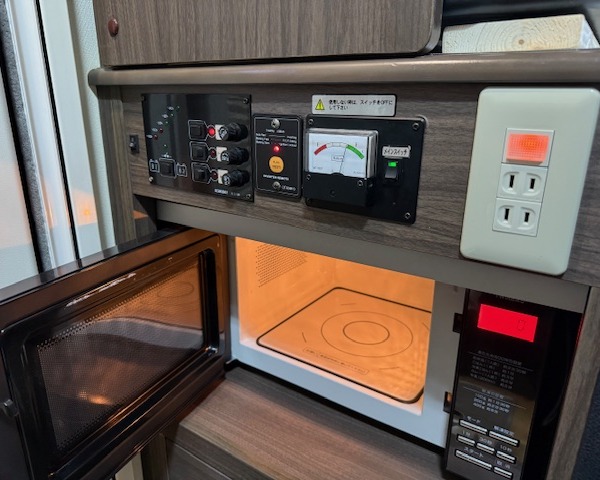
7-[Tips for campervan travel] Campervan cooking facilities
Comment